


Posted by Dean smith

The nursery is painted, the pram is ordered, and the hospital bag is half-packed. But where your newborn actually sleeps in those first weeks often feels like the last thing you figure out. A newborn sleep basket, most commonly a Moses basket, is a popular first sleep solution in UK homes for good reason: it is portable, snug, and keeps your baby close overnight without taking over the bedroom. The difficulty is that the range of styles, materials, and stand options available makes even a straightforward decision feel complicated.
This guide cuts through that. You will find a clear explanation of what a newborn Moses basket is, which features actually matter for safety and comfort, how UK safe-sleep guidelines apply, and when your baby will realistically outgrow one. If you are already browsing the Moses basket range at For Your Little One, this guide will help you understand exactly what you are looking at and why certain options are worth prioritising over others.
What a newborn sleep basket actually is
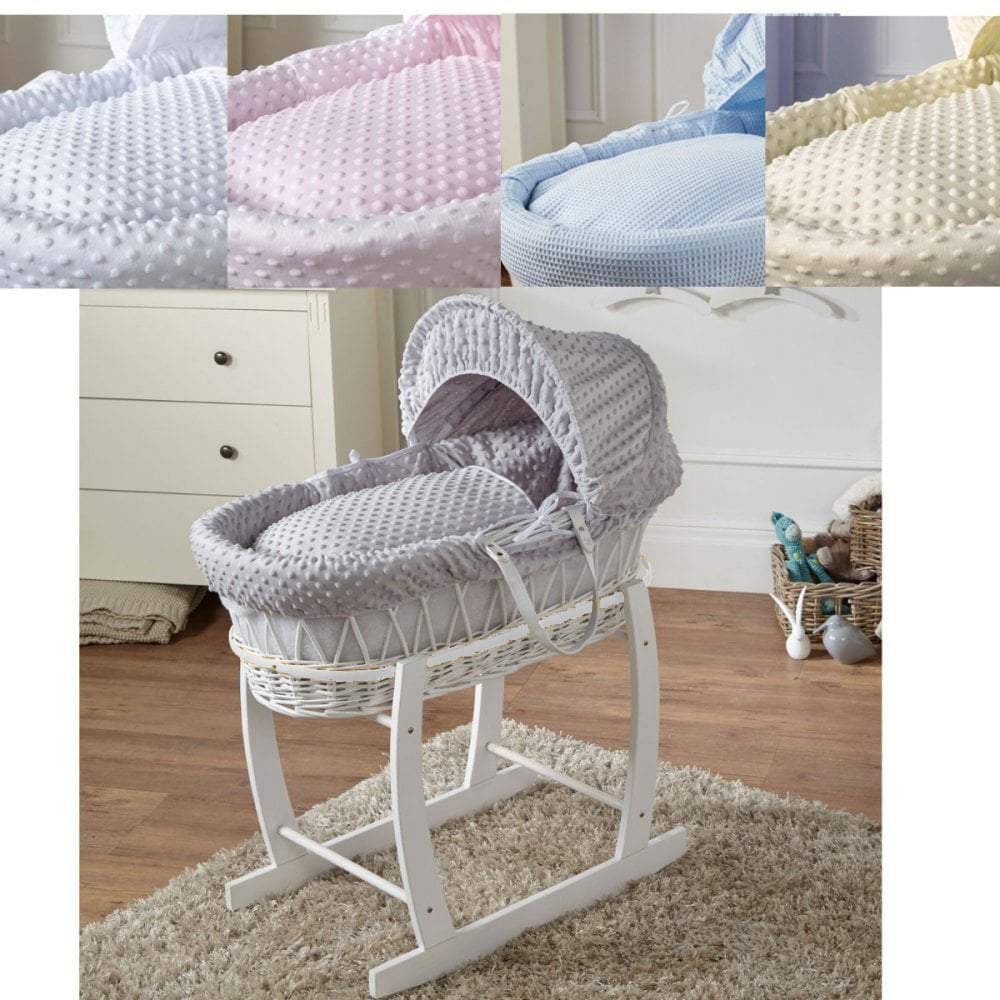
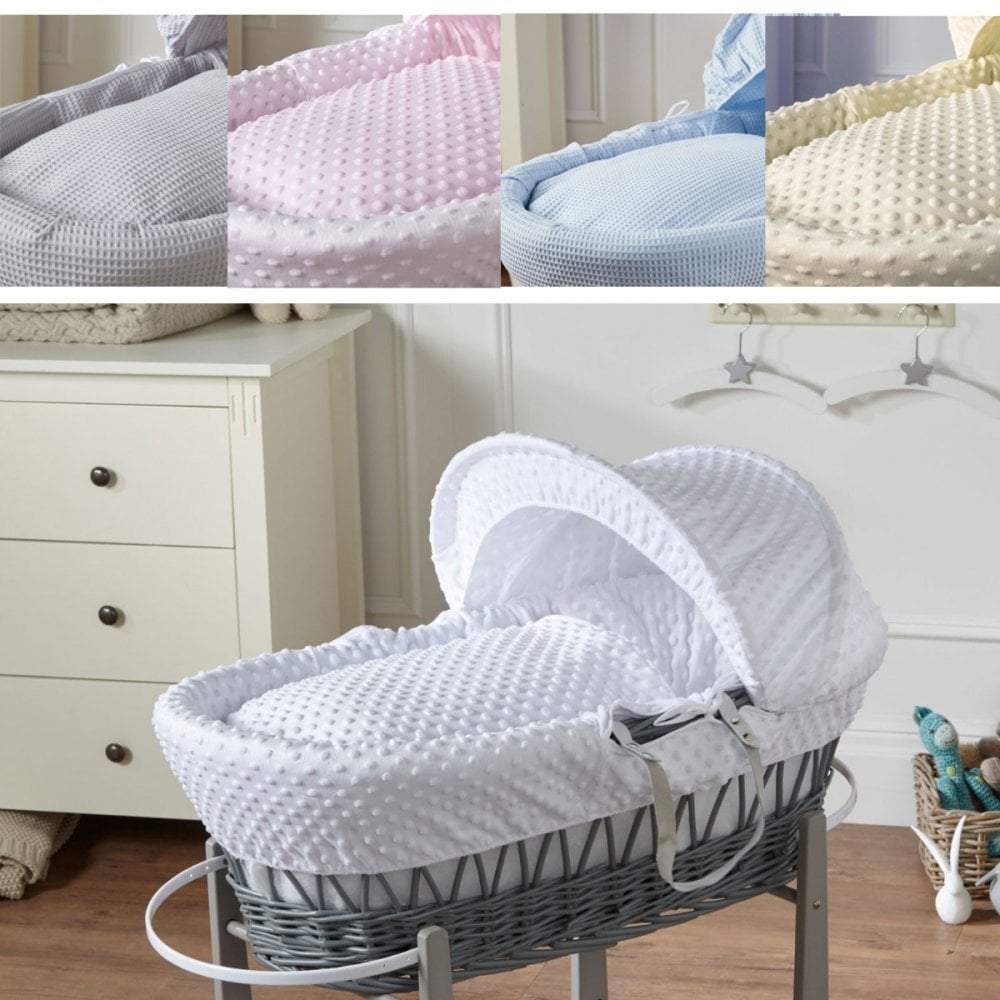
A Moses basket is a small, portable baby sleep basket traditionally woven from wicker or palm leaf, designed to hold a newborn in the earliest weeks and months of life. It is shallower and narrower than a cot, which makes it feel more enclosed and secure for a baby who has just left the womb. Unlike a full-sized cot or crib, a Moses basket is light enough to carry from room to room with ease, and it sits on a separate floor stand when not being moved. The key distinction from a cot or crib is purpose and duration: a newborn sleep basket is a short-term solution, not a permanent sleep space, and most babies move on from one within three to four months.
Moses basket vs bassinet: what is the real difference?
A Moses basket is portable by design, it has handles, a lightweight frame, and sits on a stand that keeps it at a convenient height. A bassinet, by contrast, typically comes as a bedside unit or freestanding frame with an integrated sleeping surface, and several varieties exist, from bedside attachments to standalone designs. Both are appropriate for newborns, but a Moses basket offers more flexibility because you can carry it to wherever you are in the house without dismantling anything. A pod Moses basket follows the same principle but uses a structured, oval shell instead of traditional woven material, giving it a more contemporary silhouette.
Why Moses baskets suit UK homes particularly well
The Lullaby Trust recommends room-sharing for the first six months to reduce the risk of SIDS, and a Moses basket makes that practical without crowding a bedroom. It sits neatly beside the bed, then comes downstairs with you during the day. If your bedroom is on the smaller side, as many are in UK city homes, a Moses basket's compact footprint is a genuine advantage over a full crib or bedside bassinet. Many parents also find that the natural look of wicker complements a wide range of nursery schemes, which makes it an easy choice aesthetically as well as practically.
Key features to look for in a newborn sleep basket
Not all infant sleep baskets are equal, and the features that matter most are not always the ones that look impressive in a product photo. What actually matters comes down to how the basket breathes, whether the mattress is firm enough, and whether the stand holds steady. Getting all three right is what separates a safe, comfortable setup from one that simply looks the part. For a concise practical safety checklist from a consumer perspective, see this practical overview on Moses basket safety explained.
Breathability and basket materials
Wicker and palm leaf are the two most common natural materials used in Moses baskets, and both earn their place. Wicker is lightweight, classic, and the open weave allows natural airflow around the baby. Palm leaf is similarly breathable, slightly sturdier, and sourced as a renewable material. The trade-off with both is that they are porous, which makes deep cleaning harder after a significant spill. Fabric-lined pod-style baskets prioritise a softer look and easier surface cleaning, but the quality of the lining determines how well the basket breathes. A removable, washable liner is a practical bonus in any basket style, because newborns are messy and you will want to launder it regularly.
Getting the mattress right
The mattress is the single most important component in the sleep setup, and it is non-negotiable: it must be firm, flat, and fit the basket exactly. A mattress that is too soft or leaves gaps at the sides is a safety concern, regardless of how comfortable it looks. Natural fillings such as coconut fibre or wool are commonly used for their breathable, supportive properties, though it is worth checking any mattress meets the firmness requirements set out in UK safety guidance. The mattress must not shift inside the basket, if it moves when you press the side, it is not the right fit.
Stand stability and what to check before buying
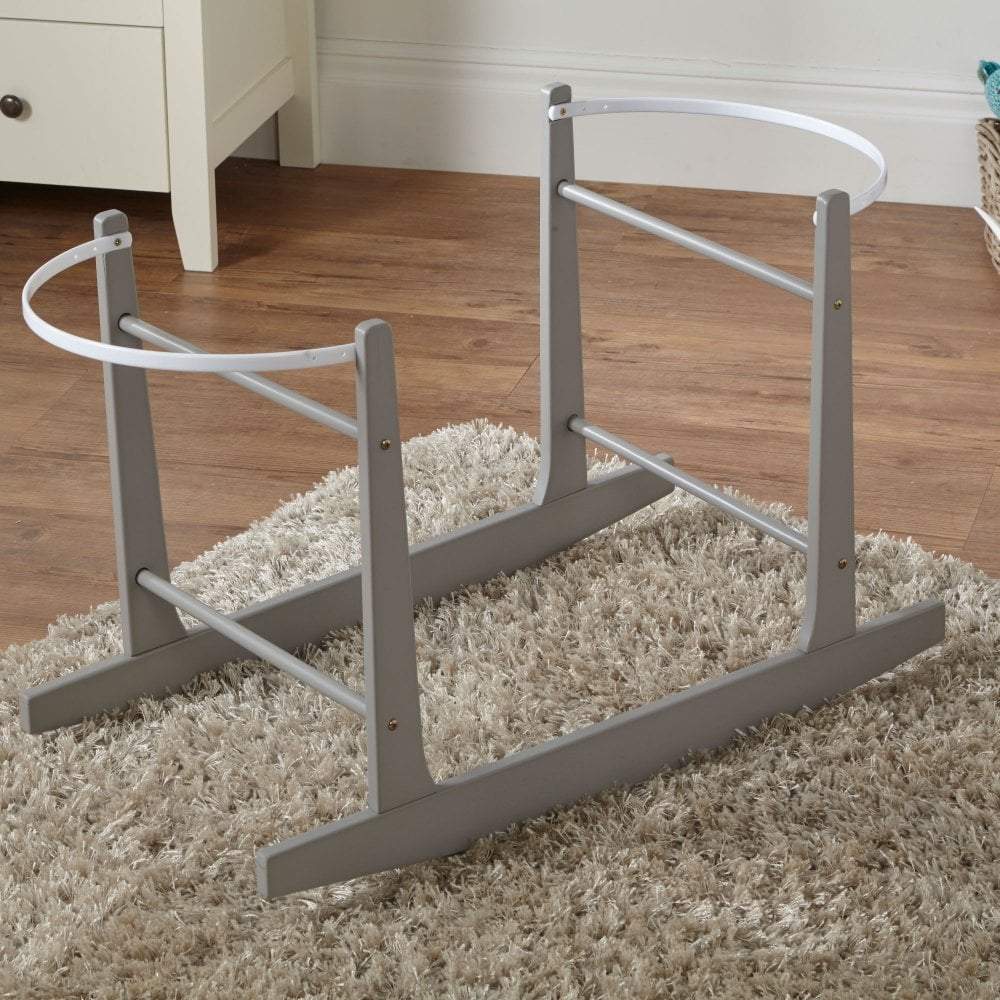
Stands are not universally compatible with all baskets. The base dimensions of the basket determine which stand will fit, and a stand that is even slightly too wide or too narrow creates an unstable sleeping surface. Before buying separately, check the basket's base measurements and confirm the stand is designed for that specific basket. Look for a wide base, non-slip feet, a secure locking mechanism, and a clearly stated weight rating. Buying a basket-and-stand bundle is often the simplest route, since compatibility is built in from the outset.
Setting up your newborn sleep basket safely
Buying the right basket is only half the job. How you set it up determines whether it is a genuinely safe sleep environment for your baby. The guidance is straightforward once you know the two key references: the BS EN 1466 product standard and the Lullaby Trust's safe-sleep recommendations. In addition, there is published research on SIDS and room-sharing that parents and professionals reference when discussing safer sleep arrangements: research on SIDS and room-sharing provides useful context for why room-sharing is advised in early months.
The UK safety standard and what it covers
BS EN 1466 is the British and European safety standard for carry cots and stands. It tests the structural integrity of the basket and its stand across several areas: strength, stability, handle safety, entrapment prevention, and side height. When you see a basket sold as BS EN 1466 compliant, it means it has been assessed against these structural criteria. What it does not mean is that the basket reduces SIDS risk on its own, BS EN 1466 is a baseline for product safety, not a guarantee of safer sleep. That is where the Lullaby Trust's guidance takes over.
What goes in the basket (and what to leave out)
The Lullaby Trust's safe-sleep guidance is clear: baby on their back, every time, in a clear sleep space. No pillows, no cot bumpers, no soft toys, no loose bedding. If you use a blanket, it should be lightweight and tucked in below shoulder height, with the baby positioned feet-to-foot at the base of the basket, though the Lullaby Trust also notes that a well-fitted baby sleeping bag removes the risks associated with loose blankets entirely. For more on choosing appropriate mattress covers and sleepwear, see our advice on Choosing the Right Moses Basket Bedding: Comfort and Safety Essentials. The room temperature should sit between 16 and 20°C, in line with Lullaby Trust guidance. Place the basket on a flat, stable surface away from radiators, fires, and direct sunlight, and keep it in the same room as you for the full first six months. If you need guidance for safer sleep when you're away from home or in an emergency situation, the Lullaby Trust also provides specific advice for safer sleep away from home guidance.
Age, weight limits and knowing when to move on
Most Moses baskets have a stated weight limit of around 9 kg, and most babies outgrow one somewhere between three and four months. Neither age nor weight alone is the signal to transition, though. The real trigger is mobility. A baby who can roll, push up onto their arms, or shows signs of sitting is too mobile for a Moses basket, regardless of whether they have reached the weight limit yet. For a deeper look at timelines and typical milestones, our longer primer on How Long Can a Baby Sleep in a Moses Basket? A Parent's Guide is a helpful companion resource, and consumer-focused articles such as how long a baby can sleep in a Moses basket summarise common manufacturer guidance.
Signs your baby has outgrown their sleep basket
The clearest signs are rolling over, pushing up onto arms, or attempting to sit unaided. A baby who can roll in a Moses basket faces a fall risk even if the weight limit has not been reached. Also watch for the baby feeling cramped, with their head or feet pressing against the sides of the basket, or their arms and legs spilling over the edges. When you see any of these signs, it is time to move on regardless of what the calendar says.
What to look at next after the Moses basket stage
A cot or cot bed is the standard next step for most UK families and will serve your child well beyond the toddler years. If nursery space is tight, a crib bridges the gap before you move to a full-sized cot. Once your baby has moved on, the Moses basket itself does not need to go in the loft, it makes a perfectly good toy storage basket, a reading nook, or a decorative piece in the nursery, which extends its value well beyond the sleep stage.
Choosing the right newborn sleep basket: a quick buying checklist
With the safety criteria in mind, here is a practical checklist to run through before you buy any newborn sleep basket or baby sleep basket:
- BS EN 1466 compliance, confirm the basket meets the standard before anything else.
- Firm, fitted mattress included, if one is not included, source a correctly sized replacement before the baby arrives.
- Compatible stand, check base measurements or buy as a bundle to remove any guesswork.
- Breathable material, open-weave wicker, palm leaf, or a well-ventilated pod lining.
- Washable liner, a removable, machine-washable liner makes the inevitable mess far easier to manage.
- Weight rating clearly stated, both the basket and the stand should carry a declared weight limit.
Moses basket options to consider at For Your Little One
With the buying criteria clear, the next step is choosing the right style for your home and nursery. The Moses basket range at For Your Little One is curated around the features that matter most: breathable materials, correctly sized mattresses, and stands that are matched to each basket. Here is how the main categories break down.
Wicker Moses baskets: a classic for a reason
Wicker remains a widely chosen Moses basket material in the UK, and it earns that position. It is lightweight enough to carry one-handed, naturally ventilated through the open weave, and has a timeless look that fits virtually any nursery scheme. Wicker baskets sit at accessible price points given how intensively you will use them across three to four months, and they are significantly more affordable than most larger sleep options. For Your Little One stocks a curated selection of wicker newborn Moses baskets designed to meet BS EN 1466 structural requirements and paired with firm, fitted mattresses. If you want a focused walkthrough on selecting a wicker option, see our article Choosing the Perfect Wicker Moses Basket for Your Newborn.
Pod Moses baskets for a modern nursery
A pod-style Moses basket uses a structured, smooth oval shell rather than traditional wicker weave. The result is a softer, more contemporary look that suits parents who prefer a minimalist or Scandi-influenced nursery aesthetic. For Your Little One carries pod Moses baskets alongside wicker styles, so parents can choose based on their nursery design rather than defaulting to one option. Both styles meet the same safe-sleep requirements; the difference is purely material and visual.
Stand bundles: taking the guesswork out of compatibility
Given the compatibility considerations discussed earlier, buying a basket-and-stand bundle is the most straightforward approach. Bundled options with stands matched specifically to each basket mean no measuring, no uncertainty, and no risk of a wobbly setup on the first night home. For Your Little One offers same-day dispatch on orders placed before 2:30pm, with free delivery on orders over £49.99, useful for parents who want speed and simplicity alongside the right product.
Making your decision with confidence
Choosing a newborn sleep basket comes down to a small number of genuinely important decisions: the right basket style for your space, a firm and correctly fitted mattress, and a stand that has been confirmed compatible. Get those right, combine the setup with the Lullaby Trust's safe-sleep guidance, and you have everything your newborn needs for a safe and comfortable first sleep space.
If you are ready to choose, browse the newborn sleep basket range at For Your Little One, products are curated around safety and practicality, delivery is fast, and the range covers both wicker and pod styles with matched stand options. You will not need to cross-reference multiple retailers or piece together a setup from mismatched parts.
You do not need to spend a fortune to give your baby a safe, comfortable place to sleep in those first months. You just need to know what to look for, and now you do.
